



Corporate events are one of the highest-leverage investments a company makes. A well-executed offsite can realign a leadership team. A perfectly run client dinner can close a deal that months of emails couldn't. A product launch event can generate media coverage worth ten times the production cost.
But the gap between a good event and a forgettable one usually comes down to planning discipline — not budget. This checklist covers every phase of corporate event planning, from the first strategic conversation to the post-event report.
Phase 1: Strategy (8–12 weeks out)
Before any venue is searched or caterer contacted, get clear on three things.
Define the primary outcome
Every corporate event should have one primary outcome — not five. Is this event designed to strengthen relationships with existing clients? Generate new pipeline? Align a distributed team on strategy? Celebrate a milestone? Launch a product to media? The single outcome drives every decision that follows: venue type, guest list, program format, catering style, and success metrics.
Set the real budget
The stated budget and the real budget are often different. Get to the real number early. A useful framework: allocate 40% to venue and catering, 20% to AV and production, 15% to staffing and logistics, 15% to guest experience touches (gifts, entertainment, design), and hold 10% as a contingency. Contingency is not optional — it will be used.
Build the core planning team
For events above 50 people, you need a named owner for venue, catering, AV, and guest communications. One person trying to manage all four is the most common cause of things falling through the cracks. Define ownership early, even if the team is small.
Phase 2: Venue and Vendor Selection (6–10 weeks out)
Venue selection criteria
Capacity first — always. Then: AV infrastructure, parking and transport access, catering flexibility (in-house vs. external), natural light (matters for photography), accessibility compliance, and neighborhood context (does the location reinforce your brand message?).
Visit your shortlist in person. Photos lie. A space that photographs beautifully can feel claustrophobic with 80 people in it. Walk the flow from entrance to main room to restrooms — if the restroom situation creates a bottleneck, it will define the event.
Locking in vendors
Book your venue first — it anchors every other decision. Then AV and production (these book out fastest for quality vendors), then catering, then ancillary vendors (photography, florals, entertainment). Get contracts signed with deposits for every vendor. A vendor without a signed contract is not a confirmed vendor.
The vendor briefing document
Create a single briefing document shared with every vendor. It should contain: event date, venue address and load-in details, run of show with times, key contacts and their mobile numbers, parking instructions, and a clear description of the event's purpose and audience. Every miscommunication on event day traces back to a vendor who wasn't properly briefed.
Phase 3: Guest Experience Design (4–6 weeks out)
Invitation and registration
Send save-the-dates at 6 weeks for multi-hour events, 8–10 weeks for full-day or destination events. Use a registration system that captures dietary requirements, accessibility needs, and any pre-event questions. This data shapes every catering and logistics decision.
The program arc
Great events are designed like great stories — they have a beginning, middle, and end with intentional pacing. Energy naturally drops 45–60 minutes into any session without a change of format. Build transitions into your run of show: a break, a format shift from presentation to discussion, a catering moment, a movement break. Never run a single format for longer than 60 minutes without interruption.
Guest communications sequence
Confirm registration immediately. Send a detailed "how to prepare" email 1 week out covering venue address, parking, dress code, schedule overview, and who to contact with questions. Send a day-before reminder with any final logistics. Each communication reduces the volume of individual questions your team handles.
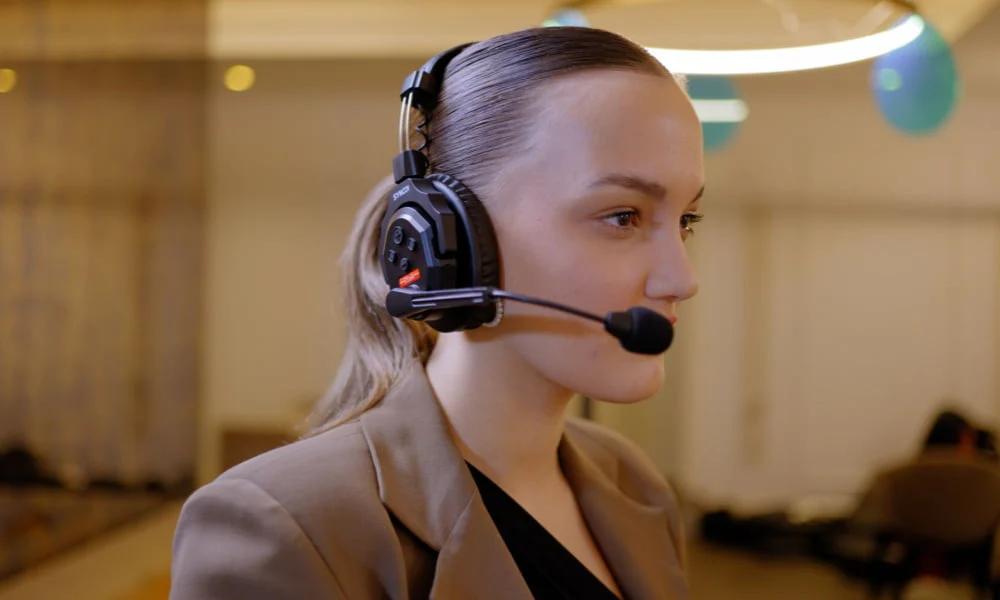
Phase 4: Event Execution (Day of)
The run of show is the bible
Print physical copies. Your run of show should be broken into 15-minute increments covering every element: what's happening, who is responsible, what the AV cue is, where guests should be. Share it with every team member and vendor the evening before.
Arrive two hours early
Two hours gives you time to solve the problems that will exist — a vendor who's running late, a tech setup that isn't working, a seating arrangement that needs adjustment. One hour is not enough. Two hours is the minimum.
Designate a single point of contact for vendors
Every vendor question on the day should route to one person. This prevents the chaos of three different vendors trying to reach three different team members simultaneously. This person's only job during setup is vendor coordination.
Capture the event
Assign someone specifically to photography and video capture. This is not the job of whoever has their phone — it's a dedicated role. Define in advance: what moments must be captured (speaker on stage, room in full, networking moments), what the turnaround is for edited photos, and where the content will be used.
Phase 5: Post-Event (Days 1–14)
The 24-hour follow-up
Send a thank-you communication within 24 hours. For client events, this should be personal and reference something specific from the conversation. For larger events, it should include access to any materials shared, a highlight photo or two, and a clear next step if there is one.
Survey within 48 hours
Response rates drop significantly after 48 hours. Keep the survey to 5 questions maximum. Ask: overall experience rating, what they valued most, what could be improved, whether they would attend again, and one open response field. This data directly improves your next event.
Measure against your primary outcome
Return to the outcome you defined in Phase 1. Did you achieve it? What evidence do you have? Document this honestly — it's the foundation of your case for the next event budget.
Vendor reviews and debriefs
Leave honest reviews for every vendor. The corporate event planning community is smaller than it looks, and the feedback loop benefits everyone. Internally, run a 30-minute debrief with your planning team within one week. What would you keep, change, and cut next time?
Using KneesUp Venues for corporate event planning
KneesUp Venues centralizes the most time-consuming part of corporate event planning — venue discovery and booking. Search verified spaces by capacity, category, and location, communicate directly with hosts, and manage bookings in one place. Start your venue search early and everything else follows.